How can I improve my SEO in 2024?
As the landscape of digital marketing and SEO is quickly changing, everyone is asking themselves, how can I improve my SEO in 2024?
Understanding the importance of having a strong online presence for small business owners is a key foundation and SEO can help you improve your visibility in search engine results and attract more potential customers to your website.
Here I share some tips on how small business owners can improve their SEO in 2024.
Focus on User Experience
User experience (UX) is still an important factor in SEO in 2024.
Google’s algorithms are designed to prioritise websites that provide a good user experience, so it’s important to ensure that your website is easy to navigate, loads quickly, and provides high-quality content that meets the needs of your target audience.
Imagine you’re at a party. You wouldn’t stick around long if the music was blasting, the snacks were stale, and you couldn’t find the bathroom, right?
That’s kind of how websites work with SEO and UX.
- UX is like the party vibe: If your website is easy to navigate, visually appealing, and has content that’s interesting and useful, people will want to hang out (and maybe even tell their friends!).
- SEO is like the guest list: Search engines are the bouncers, and they want to let in websites that people actually want to visit. So, if your website has good UX, it’s more likely to get a thumbs-up from the search engine algorithm and land on that coveted first page of results.
Basically, if you focus on making your website a great place to be, you’ll be doing both users and SEO a favor. It’s a win-win situation!
Here are some quick tips to keep your “party website” rocking:
- Keep it fast and clean: Nobody likes a slow, cluttered website. Make sure your pages load quickly and are easy to find your way around.
- Content is king (and queen): Make sure your writing is interesting, informative, and relevant to what people are searching for.
- Mobile matters: Most people browse the web on their phones these days, so make sure your website looks good and works well on smaller screens.
- Don’t forget the visuals: Eye-catching images and videos can break up text and make your website more engaging.
Remember, the goal is to create a website that people enjoy using. If you do that, the SEO magic will follow!
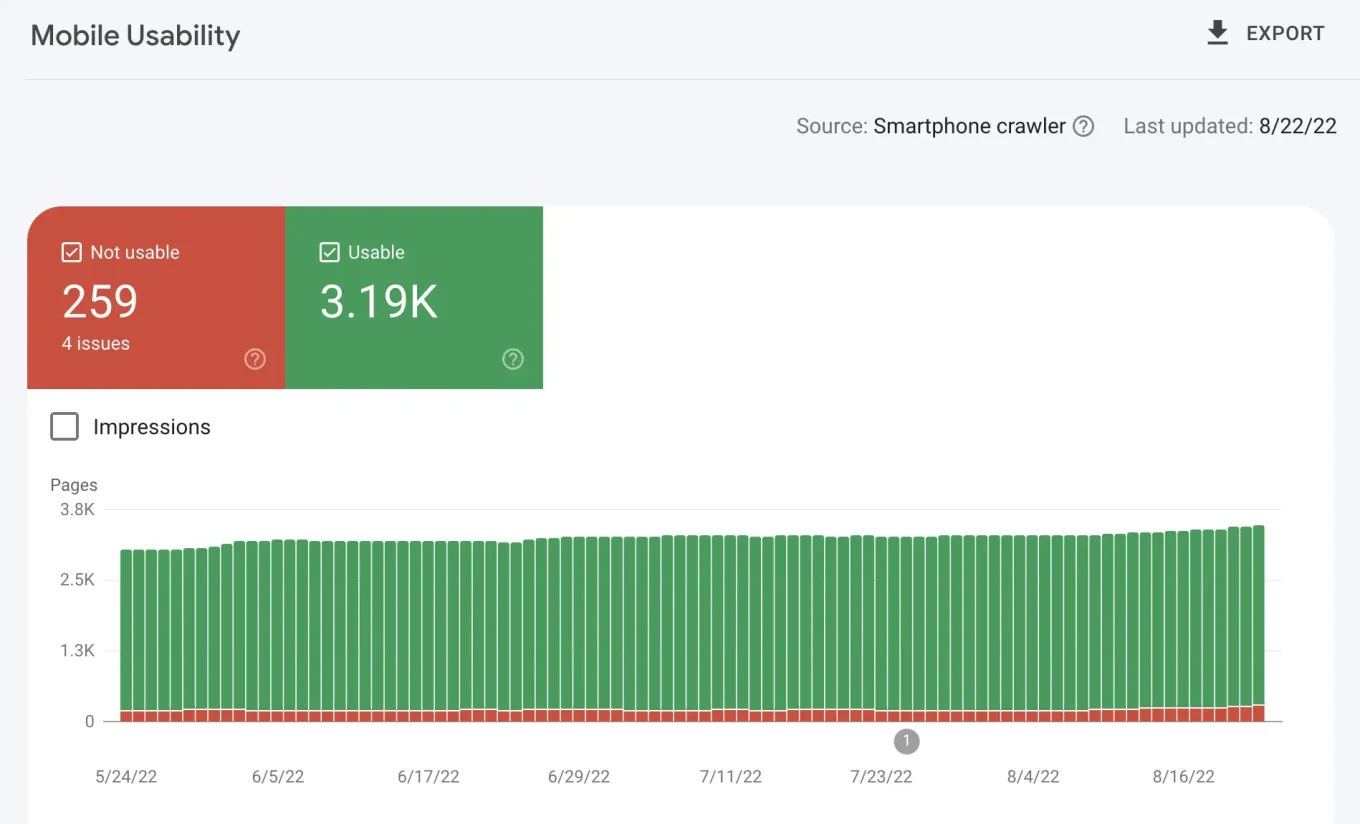
Mobile-friendliness has been a ranking factor on mobile since 2015. When Google moved to mobile-first indexing in 2019, it became a ranking factor on desktop too.
Create High-Quality Content
High-quality, relevant content is one of the most important factors in SEO. Search engines prioritise websites that provide value to users, so it’s important to create content that meets the needs of your target audience.
This can include blog posts, videos, infographics, and other types of content that are relevant to your industry or niche.
High-quality user-generated content (UGC) is like the secret ingredient in your SEO recipe. It’s not just about throwing any old sprinkles on top – you gotta use the good stuff, the stuff that makes your website taste irresistible to both search engines and real people.
Think of it like this:
- UGC is like the friend who tells everyone how awesome your party is. It’s genuine, it’s personal, and it makes people want to come see for themselves. Reviews, testimonials, and user-created videos show real people having a blast with your brand, building trust and getting you more clicks than you can shake a disco stick at.
- UGC is like the DJ who keeps the party fresh. New and different content is what keeps Google bots bopping their heads, and UGC throws in a whole new playlist. User-generated photos, videos, and blog posts add fresh voices and keywords, making your website the hottest club in town for all sorts of search queries.
- UGC is like the games that make everyone stay dancing. User comments, shares, and discussions get people talking and keep them hanging out on your website longer. The more people chatting and having fun, the better the party looks to search engines, and the more likely they are to invite even more people.
- UGC is like the cool social media posts that everyone wants to share. Sharing user-generated content on your social media is like handing out party invitations to the whole world. You get backlinks from other websites, your domain authority goes through the roof, and you become the talk of the town (or, you know, the search engine results page). Plus, showing off positive UGC is like having a bunch of influencers raving about your party – it makes everyone want to come see what all the fuss is about.
- UGC is like the awesome community that makes you never want to leave the party. By featuring and appreciating user-generated content, you make people feel like they’re part of something special. They become invested in your brand, turn into your biggest fans, and spread the word organically. That’s like having a party that just keeps getting bigger and better, all thanks to your amazing guests.
SEO leads have a 14.6% close rate, compared to 1.7% for traditional marketing.
HubSpot
So, ditch the stale SEO snacks and whip up a batch of high-quality UGC. Let your users be the creative chefs, encourage them to share their experiences, and watch your website become the hottest SEO party in town. Just remember, like any good party, you gotta have some rules:
- Set some guidelines: Keep things relevant and brand-appropriate, nobody wants a party crasher who spills punch on the dance floor.
- Be the bouncer: Flag and remove any content that’s off-topic or harmful, you gotta keep the vibe positive.
- Shine a spotlight on the good stuff: Share the best UGC on your website and social media, let the coolest peeps be the DJs.
With a little effort and a lot of awesome user-generated content, your SEO party will be the place to be, and the search engines will be begging for an invite. Now go forth, get creative, and let the SEO good times roll!
Use Relevant Keywords
Keywords are still an important factor in SEO, but it’s important to use them in a strategic and natural way.
Focusing solely on keywords is like throwing a handful of pepper into a batter and calling it a spice cake. While keywords remain valuable ingredients in the SEO recipe, their role has evolved. Let’s delve deeper into why keywords still matter in modern SEO, but with a sprinkle of fresh insights:
Keywords are signposts, not destinations: Imagine exploring a bustling city. Keywords act like street signs, guiding search engines (and users!) to your website’s relevant content. While reaching the designated address is important, the journey itself should be engaging and fulfilling. Think of keywords as strategic pointers, not rigid formulas.
Relevance trumps density: Gone are the days of keyword stuffing. Today, it’s more crucial to use relevant keywords naturally, woven seamlessly into the fabric of your content. Think of it like incorporating aromatic herbs into a dish – their essence enhances the flavor, not drowns it out. Focus on writing for humans, not algorithms, and the right keywords will find their way in organically.
Specificity beats generality: Broad keywords are like trying to navigate a city with just a compass. You might end up in the right area, but you’ll miss hidden gems and local delights. Utilise long-tail keywords, specific phrases people are actually searching for. It’s like having a detailed map, leading you to the exact bakery with the best croissants.
Context matters more than ever: Keywords alone don’t tell the whole story. Search engines are increasingly sophisticated, understanding the semantic context and intent behind searches. Think beyond individual keywords – consider the bigger picture: what problems are you solving? What questions are you answering? This contextual understanding will guide your keyword choices and content creation.
Keywords are just the tip of the iceberg: While essential, keywords are one piece of the SEO puzzle. User experience, website structure, backlinks, and technical optimization all play vital roles. Think of these factors like the various elements that complete a delicious cake – flour, eggs, baking powder, and the perfect oven temperature. Each element contributes to the final masterpiece, and neglecting any one can leave your SEO efforts half-baked.
Remember, modern SEO is about creating valuable content that resonates with your audience, using relevant keywords thoughtfully to guide search engines towards your digital doorstep. Focus on quality, user experience, and a strategic sprinkle of keywords, and your website will rise to the top like a perfectly golden SEO cake.

53.3% of all website traffic comes from organic search. (BrightEdge)
Optimise Your Website for Mobile
With the majority of online searches now taking place on mobile devices, it’s crucial to ensure that your website is optimised for mobile.
This includes using a responsive design that adapts to different screen sizes, ensuring that your website loads quickly on mobile devices, and optimising your content for mobile users.
Over 50% of all web traffic now comes from mobile devices. That means if your website isn’t mobile-friendly, you’re missing out on a massive chunk of potential visitors and customers.
First impressions count: Most users will access your website from their phones, and a slow, clunky mobile experience will leave a bad impression. They’ll bounce off quickly, damaging your brand image and potentially costing you conversions.
Better conversion rates: A mobile-friendly website leads to higher conversion rates, as users are more likely to complete purchases or take desired actions when they have a smooth experience.
Increased engagement: People spend more time browsing and interacting with mobile-optimised websites, boosting your engagement metrics and improving your ranking in search results.
Voice search is rising: Optimise for voice search queries, as mobile users increasingly rely on voice assistants to find information.
Local search matters: If you have a local business, make sure your mobile website is optimised for local search so potential customers can easily find you.
optimizing your website for mobile isn’t just about keeping up with trends, it’s about maximizing your reach, engaging your audience, and ultimately, achieving your business goals.

Content That’s Easy to Read and Understand Ranks Well in Voice Search (Backlinko)
Build High-Quality Backlinks
Backlinks, those precious links from other websites to yours, are still an important factor in SEO, but their role has definitely evolved. It’s like the seasoning in your SEO stew – it can enhance the flavor and make it more appealing, but it’s not the only ingredient that matters.
Here’s why backlinks are still valuable:
1. Trust signals: Imagine you’re at a restaurant and everyone is raving about the dish you’re considering. Backlinks act like those recommendations, telling search engines that other websites find your content valuable and trustworthy. This trust boost can elevate your website’s authority and ranking in search results.
2. Website discoverability: Think of backlinks as pathways leading to your website. The more backlinks you have from various reputable websites, the easier it is for search engines and users to find you. It’s like having a well-mapped network of roads guiding people to your door.
3. Traffic source: Backlinks can drive valuable traffic to your website. When people click on a link from another site, it brings them directly to your content. This can be a great way to attract new visitors and potential customers.

In 2016, Google’s Andrey Lipattsev confirmed they’re one of Google’s strongest ranking factors.
However, backlinks aren’t everything:
Quality over quantity: Not all backlinks are created equal. A link from a high-authority website in your niche is worth much more than a random link from a low-quality site. Focus on building relationships with relevant websites and earning natural, high-quality backlinks.
Context matters: The context of a backlink is crucial. A link within relevant content that naturally mentions your website is much more valuable than a generic link on a random page.
Spammy tactics are a no-no: Don’t engage in shady practices like buying backlinks or link farms. These tactics can get your website penalised by search engines, doing more harm than good.
Focus on user experience: Ultimately, SEO is about creating a great website that users love. While backlinks can help, prioritise creating high-quality content, optimizing for mobile, and providing a fantastic user experience.
So, backlinks are still an important part of the SEO recipe, but remember, they’re just one ingredient. Focus on building a well-rounded SEO strategy that includes quality content, technical optimization, and a user-centric approach. With the right blend of ingredients, your website will be a delicious SEO feast for both search engines and users!
Leverage Social Media
SEO can feel like a confusing beast sometimes, and figuring out how social media fits into the mix can be especially tricky. But fear not, SEO newbie! I’m here to break it down for you in a way that’s, well, less snooze-inducing than a textbook.
Think of your website as a swanky restaurant. You’ve got the freshest ingredients (killer content), the most inviting atmosphere (great user experience), and the hottest dishes in town (valuable information). But if nobody knows you exist, your culinary masterpiece will be gathering dust under a cloche.
That’s where social media comes in. It’s like your own personal town crier, shouting about your restaurant’s awesomeness from the rooftops (or, you know, newsfeeds). The more people hear about you, the more likely they are to come check you out, right? And guess what? Search engines love seeing that kind of buzz.
Related reading: Why neglected social media accounts are bad for business
Here’s how social media can be your SEO secret weapon:
1. Traffic Explosion: Every time you share your content on social media, it’s like throwing a virtual party and inviting everyone. The more engaging your posts are, the more people will RSVP (click through to your website). This surge in traffic tells search engines, “Hey, this website is popular! Maybe we should move it up in the rankings.”
2. Backlink Bonanza: Imagine backlinks as those fancy food reviews in magazines. When other websites share your content with their followers, it’s like getting a glowing review. These backlinks act like trust signals to search engines, boosting your website’s authority and reputation. Think of it as getting Michelin stars for your online content! ⭐️
3. Brand Buzz: Social media is all about building relationships with your audience. By interacting with them, responding to comments, and sharing behind-the-scenes glimpses, you’re creating a community around your brand. This builds trust and loyalty, which can translate into more people searching for you directly on Google. It’s like having your own personal fan club cheering you on!
4. Local SEO Lowdown: If you’re running a brick-and-mortar shop, social media can be your GPS for local customers. Sharing location-specific content and engaging with the local community online can put your business right on their radar. Think of it as planting a virtual flag on your digital map, making it easier for people to find your hidden gem.
5. Keyword Treasure Trove: Social media is a goldmine for keyword research. Pay attention to what people are talking about, the hashtags they’re using, and the questions they’re asking. This can help you identify hot topics and trending keywords to weave into your content, making it even more discoverable by search engines. It’s like having a secret decoder ring for the language of the internet! ️♀️
Remember, social media isn’t just about cat videos and vacation pics (although, those are fun too!). It’s a powerful tool that can help you take your SEO game to the next level. Just focus on creating great content, being social, and tracking your results, and you’ll be serving up SEO success in no time!
How does SEO help your business grow?
Here are five simple ways SEO can help your business grow:
1. Increase Online Visibility
SEO can help your business appear higher in search engine results pages (SERPs) for relevant keywords and phrases.
This means that more people are likely to find your website when searching for products or services related to your business.
By increasing your online visibility, you can attract more potential customers to your website and ultimately grow your business.
2. Drive More Traffic to Your Website
SEO can help increase the amount of traffic to your website. By appearing higher in search engine results pages, more people are likely to click through to your website.
This can result in more website visitors, which can ultimately lead to more leads, conversions, and sales.
3. Improve User Experience
User experience (UX) is becoming an increasingly important factor in SEO. By focusing on improving UX, you can create a website that is easy to navigate, loads quickly, and provides high-quality content that meets the needs of your target audience.
Improving UX can also help reduce bounce rates and increase engagement, which can ultimately lead to higher rankings in search engine results.
4. Build Trust and Credibility
SEO can help you establish your business as an authority in your industry or niche.
By creating high-quality, relevant content that meets the needs of your target audience, you can build trust and credibility with potential customers. This can ultimately lead to more leads, conversions, and sales.
5. Increase Conversions and Sales
SEO can help you attract more potential customers to your website and ultimately increase conversions and sales.
By improving your online visibility, driving more traffic to your website, improving user experience, and building trust and credibility, you can create a website that is more likely to convert website visitors into customers.
Related: Why do I have low traffic and sales to my website?
Improving your SEO in 2024 requires a multi-faceted approach that includes focusing on user experience, creating high-quality content, using relevant keywords, optimising your website for mobile, building high-quality backlinks, and leveraging social media.
By following these tips and staying up-to-date with the latest SEO best practices, small business owners can improve their online presence and attract more potential customers to their website.